

NUTRITIONAL THERAPIES
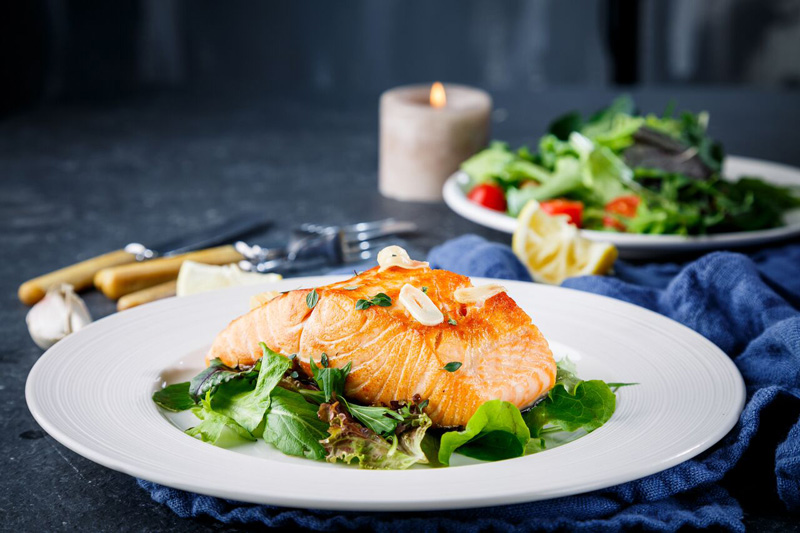
Keto Gut Repair
Ketogenic diets are higher in healthy fats than paleo/primal nutritional plans and much lower in carbohydrates. Please note that I work with Ketogenic gut-repair nutritional plans that exclude certain fats such as dairy, eggs, and nuts. General keto diets allow those foods. Please see the Paleo and Primal recipe section for other recipes that include nuts and eggs.
- 60-75% of calories from fat (or even more)
- 15-30% of calories from protein
- 5-10% of calories from carbs
The general macronutrient ratio guidelines are:
The exact amount of your daily fat and protein intake depends on your individual body responses and activity levels. However, most people on ketogenic diets don’t consume over 5% of calories from carbohydrates. You likely won’t need to count calories unless you’re goal is weight loss and you’ve hit a plateau.

Paleo and Primal
Paleo and Primal diets are based on the premise that our ancestors didn’t eat processed foods and grains so we aren’t genetically designed to do so either. Eating Paleo or Primal has many benefits but may not work for everyone.
Our paleolithic ancestors got a few things right when they consumed:
- Three times more produce than the typical American,
- More fiber,
- More protein,
- More omega-3 fatty acids,
- More unsaturated fat,
- More vitamins and
- Minerals,
- Much less saturated fat and sodium

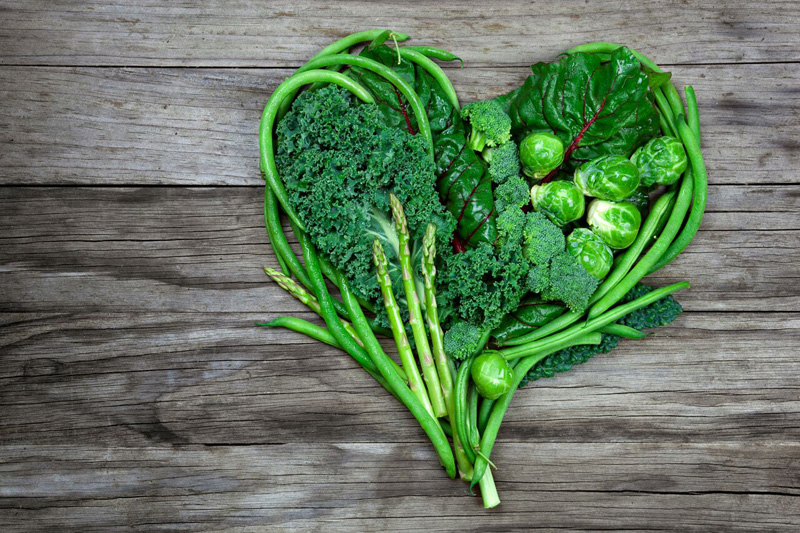
Vegan Diet
Veganism means no animal products are consumed, not even honey.
Vegetarianism has more variations, some eat eggs but no meat, others eat fish but no other animal or fowl, and others eat dairy but no other flesh food.
- Lacto-ovo-vegetarians eat both dairy products and eggs; this is the most common type of vegetarian diet.
- Lacto-vegetarians eat dairy products but avoid eggs.
- Ovo-vegetarian. Eats eggs but not dairy products.
- Vegans do not eat dairy products, eggs, or any other products which are derived from animals.
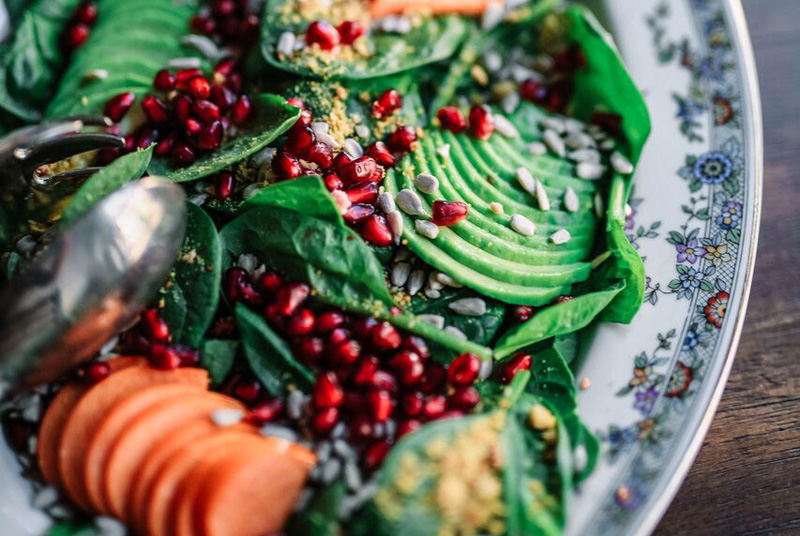
Raw Food
Raw food diet consists of uncooked, unprocessed, hopefully organic foods including raw fruits, veggies, nuts, seeds, and sprouted grains. It is primarily plant based. Some raw foodists also consume raw eggs, meat, fish, and dairy products.
Food is never cooked but can be warmed as long as it doesn’t get hotter than 118 degrees F.
Some things are dehydrated and usually never a temperature greater than 108 degrees F. The idea behind this kind of diet is to keep enzymes and nutrients in the foods alive and available because cooking can destroy them.
TESTIMONIALS

I am eternally grateful for Kristin Grayce’s magic, knowledge and guidance — she has been helping me regulate my nervous system and strengthen my immune system, to ease the influx of toxin overload that my body has been experiencing. By the end of each session together, it’s like the entire world has disappeared — I feel light, at peace, and revitalized. And within 24-48 hours, the severity of my body’s symptoms heavily reduces.
I highly recommend working with Kristin Grayce to help you heal physically, mentally, emotionally and energetically, using a root-cause approach.
I am 67 years old and was feeling okay, especially in light of my age. However, I decided to work with Kristin Grayce because I was getting more and more tired, and I am so glad that I did. After following her recommendations, I feel better than I have in years and have a lot more energy. I have always had a hard time getting up in the morning, but now I wake up early feeling fresh and eager to start the day. I never thought I could feel so good, and I am simply amazed at the difference. Thank you, Kristin Grayce!